Understanding Lawn Tractor Backfires
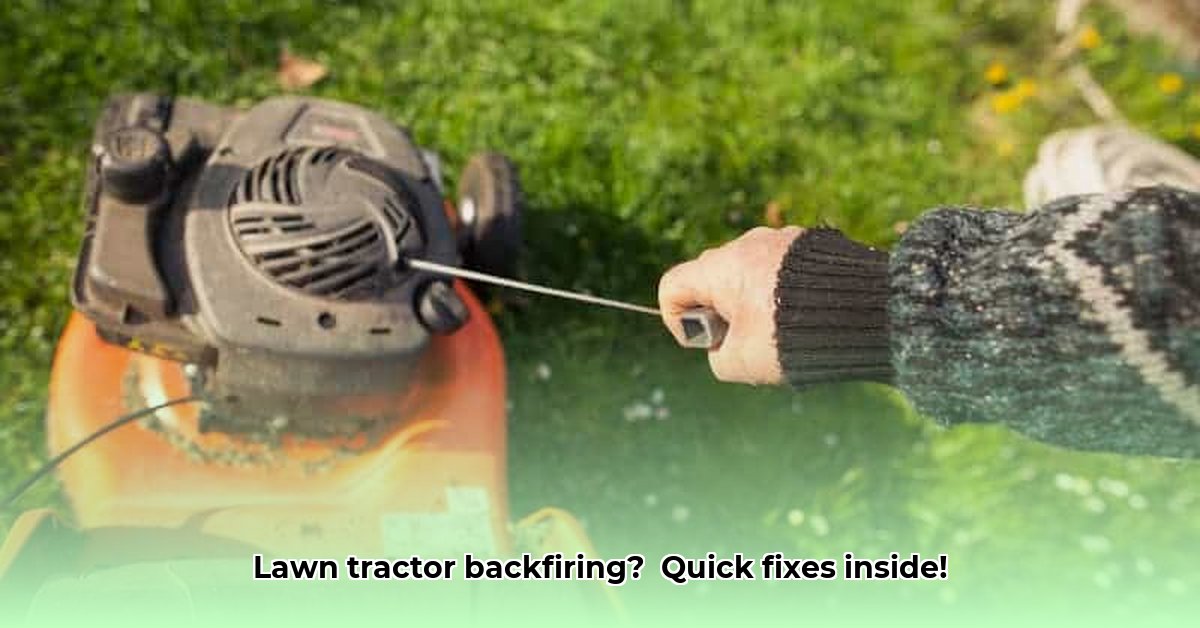
A lawn tractor backfire is a loud "pop" or "bang" from the engine's exhaust. This isn't just annoying; it indicates a combustion problem that can damage your engine. Backfires occur when the air-fuel mixture ignites prematurely or incorrectly within the combustion chamber, creating a sudden pressure surge. While frightening, many backfires stem from easily fixable issues. For added power, consider a snow blade.
Common Causes of Lawn Tractor Backfires
Several systems contribute to proper engine combustion. A malfunction in any of these can cause a backfire:
Ignition System
The ignition system provides the spark that ignites the fuel-air mixture. Problems include a faulty spark plug (the most common culprit – it delivers the spark), a worn ignition coil (supplies the spark's energy), or incorrect ignition timing. A weak or mistimed spark leads to incomplete combustion and backfires.
Fuel System
This system delivers the correct fuel-air mixture. Issues can stem from a clogged fuel filter (restricting fuel flow, creating a lean mixture), a dirty carburetor (impairing proper fuel-air mixing), or the use of old or low-quality gasoline. A lean mixture (too much air, not enough fuel) is a common cause of backfires.
Exhaust System
A restricted or leaking exhaust system can cause back pressure, forcing exhaust gases back into the engine, triggering a backfire. Blockages or holes in the exhaust pipe disrupt the normal flow of exhaust gases.
Air Intake System
A clogged air filter restricts airflow, resulting in a lean fuel mixture and potential backfires. This is similar to depriving a fire of oxygen, making combustion unstable.
Diagnosing the Problem: A Step-by-Step Approach
Let's systematically troubleshoot your backfiring lawn tractor.
Step 1: Visual Inspection
Before starting the engine, visually inspect these key components:
- Spark Plug: Look for fouling (black soot, oil), damage (cracks), or corrosion.
- Air Filter: Check for dirt, clogging, or damage.
- Fuel Lines: Inspect for leaks around the fuel tank, lines, and carburetor.
Step 2: Easy Fixes
These often resolve the issue:
- Spark Plug Replacement: If the spark plug is damaged or fouled, replace it with a new one matching your engine's specifications (check your owner's manual). This is often the solution.
- Air Filter Cleaning/Replacement: Clean or replace a dirty air filter to ensure proper airflow.
- Fuel Filter Replacement: A clogged fuel filter restricts fuel flow. Replace it with a new one. Old fuel should also be replaced.
Step 3: More Involved Fixes (Professional Help May Be Needed)
If the easy fixes fail:
- Carburetor Cleaning/Repair: A dirty carburetor needs professional cleaning or possibly rebuilding. This requires mechanical skill and specific tools.
- Ignition System Check: Problems with ignition timing or the ignition coil typically necessitate professional diagnosis and repair. This involves specialized equipment.
- Exhaust System Inspection: Check for leaks or blockages in the exhaust system. This might require welding or part replacement.
Repair and Maintenance: DIY Guide (Proceed with Caution!)
Always disconnect the spark plug wire before working!
- Spark Plug Replacement: Use a spark plug wrench to remove and replace the spark plug, ensuring the correct gap setting (consult your owner's manual).
- Air Filter Cleaning/Replacement: Remove and clean (or replace) the air filter. Ensure a proper seal.
- Fuel Filter Replacement: Carefully disconnect fuel lines, replace the filter, and reconnect the lines securely (expect a small fuel spill).
When to Call a Professional
If you're uncomfortable with these steps, or if the backfiring persists, seek professional help. Complex problems require expert tools and diagnosis.
Preventative Maintenance: Avoiding Future Backfires
Regular maintenance significantly reduces backfires:
- Spark Plug Replacement: Annually.
- Air Filter Cleaning/Replacement: Every season, or more often in dusty conditions.
- Fuel Filter Replacement: Every 2-3 years, more often with low-quality fuel.
- Fresh Fuel: Use only fresh, high-quality fuel.
- Seasonal Inspection: Thoroughly inspect your lawn tractor before and after each season.
Safety Precautions
- Disconnect the spark plug wire: This is crucial!
- Wear safety glasses: Protect your eyes.
- Wear gloves: When handling fuel or parts.
- Work in a well-ventilated area: Avoid fuel and exhaust fumes.
Troubleshooting Table: Quick Reference
| Symptom | Possible Cause(s) | Likely Solution |
|---|---|---|
| Loud backfire on startup | Clogged fuel filter, dirty carburetor | Replace filter, clean/rebuild carburetor |
| Backfires during operation | Worn spark plug, incorrect ignition timing | Replace spark plug, professional check |
| Backfires when shutting off | Rich fuel mixture, carburetor problems | Adjust carburetor (professional advised) |
Regular maintenance is key to preventing costly repairs and ensuring a safe and enjoyable mowing experience.